
How to Conduct an AI + SEO Competitor Analysis in 2026

In 2026, ranking on Google is no longer just about keywords—it’s about understanding your competition at a deeper, AI-powered level. If you want to outrank your rivals in both search engines and AI-driven results (LLMs), then mastering SEO competitor analysis is essential.
This guide will walk you through a proven, step-by-step process to analyze your competitors and uncover actionable insights that can improve your rankings, traffic, and visibility.
At Slicky Media, we use advanced SEO + AI strategies to help businesses identify opportunities their competitors are missing—and turn them into growth.
🔍 What is SEO Competitor Analysis?
SEO competitor analysis is the process of evaluating competing websites to understand:
Their keyword strategy
Backlink profile
Content performance
Technical SEO setup
Brand visibility and authority
The goal is simple:
👉 Learn what’s working for them
👉 Find gaps they are missing
👉 Build a stronger strategy to outperform them
🎯 Why SEO Competitor Analysis Matters in 2026
Modern SEO is highly competitive and AI-driven search (like ChatGPT, Gemini, and Perplexity) is changing how users discover content.
A strong competitor analysis helps you:
📊 Understand market trends
🔑 Discover high-value keywords
💡 Find untapped content opportunities
🔗 Build stronger backlink strategies
🤖 Improve visibility in AI search results (LLMs)
🧭 Step 1: Identify Your Real Competitors
Your SEO competitors are not always your business competitors.
They are websites that:
Rank for your target keywords
Target the same audience
Compete for the same search intent
How to find them:
Search your main keywords on Google
Note down recurring domains on page 1
Use SEO tools like Semrush or Ahrefs
Identify 4–5 core competitors

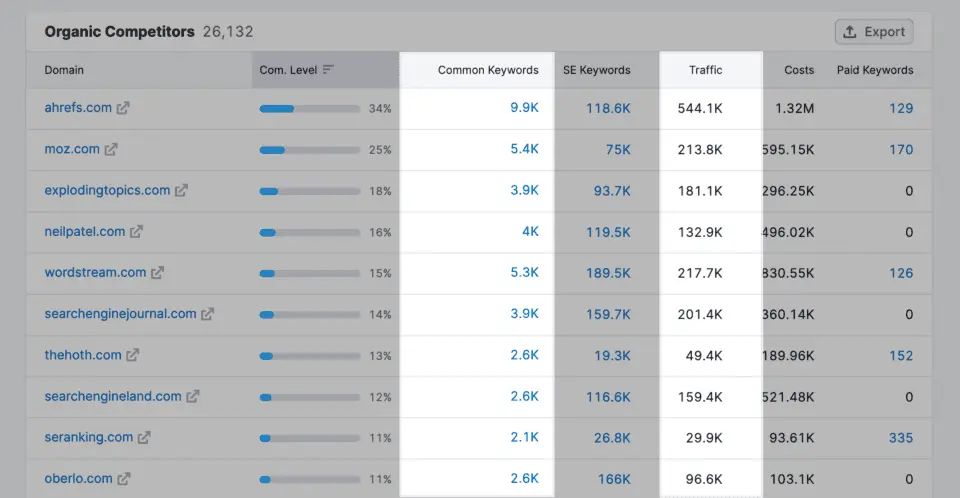
📊 Step 2: Analyze Keyword Strategy (SEO Competitor Analysis Core)
Keyword analysis is the heart of SEO competitor research.
You should focus on:
Keywords they rank for that you don’t
High-traffic pages
Low-competition opportunities
Trending keywords in your niche
Key actions:
Perform keyword gap analysis
Identify “missing keywords”
Build a keyword list for content planning
👉 This helps you discover what your competitors are ranking for—and how you can beat them.
🧠 Step 3: Analyze Content Strategy
Now dive into your competitors’ content.
Check:
Content types (blogs, guides, reviews, listicles)
Depth and quality of content
Use of visuals (images, videos, infographics)
Readability and structure
SEO optimization of headings and meta tags
Ask yourself:
Is their content better structured?
Are they covering topics more deeply?
What are they missing that I can improve?
💡 Your goal is not to copy—but to create better, more valuable content.

🔗 Step 4: Backlink Profile Analysis
Backlinks are one of the strongest ranking factors in SEO.
Analyze:
Total backlinks and referring domains
Authority of linking sites
Quality vs spam ratio
Broken or lost backlinks
Strategy:
Find websites linking to competitors
Target those same websites
Build better content and outreach campaigns
This helps you build a stronger authority profile than your competitors.

⚙️ Step 5: Technical SEO Comparison
Technical SEO can make or break your rankings.
Check:
Website speed (Core Web Vitals)
Mobile responsiveness
URL structure
Site architecture
Indexing and crawlability
A faster and cleaner website often outranks even better content.

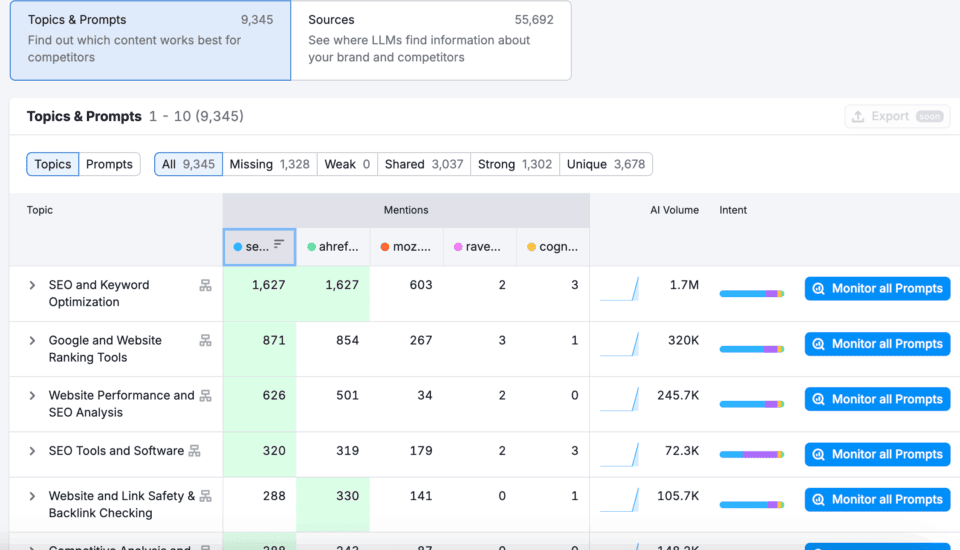
🤖 Step 6: AI + LLM Visibility Analysis
In 2026, SEO is not just Google—it also includes AI platforms.
You should analyze:
How often competitors appear in AI answers
Their brand mentions across the web
Content structured for AI readability
Authority signals (E-E-A-T factors)
💡 AI systems prefer clear, structured, authoritative content.
📈 Step 7: Turn Insights Into Action
After analysis, don’t just collect data—use it.
You should:
Create better content than competitors
Target missing keywords
Build stronger backlinks
Improve site speed and UX
Optimize for both Google + AI search
FAQs
What is SEO competitor analysis?
SEO competitor analysis is the process of evaluating competing websites to understand their keyword strategy, backlinks, content, and technical SEO performance.
Why is competitor analysis important for SEO in 2026?
Competitor analysis helps businesses identify keyword gaps, backlink opportunities, content strategies, and AI visibility tactics that can improve search rankings and organic traffic.
How do I find my SEO competitors?
You can identify SEO competitors by searching your target keywords on Google or using tools like Semrush and Ahrefs to discover websites ranking for the same search terms.
What is keyword gap analysis?
Keyword gap analysis identifies keywords your competitors rank for but your website does not. This helps uncover new content and ranking opportunities.
How does backlink analysis help SEO?
Backlink analysis helps you understand where competitors are getting links from, allowing you to target high-authority websites and improve your own domain authority.
Can AI tools improve SEO competitor analysis?
Yes. AI tools can help analyze search trends, content quality, user intent, and visibility in AI-driven search platforms like ChatGPT and Gemini.
What tools are best for SEO competitor analysis?
Popular tools for SEO competitor analysis include Semrush, Ahrefs, Google Search Console, Screaming Frog, and Google PageSpeed Insights.
🧩 Final Thoughts
A strong SEO competitor analysis is not a one-time task—it’s an ongoing strategy.
The businesses that win in 2026 are the ones that:
Continuously analyze competitors
Adapt quickly
Use AI-driven insights
Focus on user value
At Slicky Media, we help brands turn competitor insights into real growth strategies that increase rankings, traffic, and conversions.
📞 Want to outrank your competitors?
If you want a professional SEO competitor analysis for your business, Slicky Media can help you:
👉 Identify keyword gaps👉 Improve rankings👉 Build authority👉 Grow organic traffic


